Nature spent billions of years evolving extraordinary capabilities, most of them encoded at the level of cells and proteins. Only recently have we gained the tools to observe, understand, and manipulate these systems with precision.
Our mission is to reverse-engineer the fundamental mechanisms of biological systems and rebuild them into new capabilities for human health and sustainability. By decoding how cells process information and make decisions, we aim to transform biological understanding into safer, and more precise therapies by developing new technologies that improve human and environmental well-being.
We build biological technologies using engineering principles, moving fluidly between computation and experiment. Our work is driven by tight iteration cycles: design in silico, test at scale, learn from data, and redesign.
What makes us different isn’t a single method or application, but our curiosity to understand the world around us and turn that understanding into technologies that benefit society. We follow questions wherever they lead, across disciplines, techniques, and scales, while remaining grounded in rigorous quantitative thinking. Rather than optimizing within known solution spaces, we aim to expand them, developing entirely new classes of biological components, signaling systems, and control strategies.
In doing so, we seek to uncover the hidden rules that govern cellular decision-making and use those rules to build biological systems with capabilities nature never explored. Our long-term goal is to translate these principles into programmable therapies that can sense disease, make precise decisions, and help patients in ways current treatments cannot.
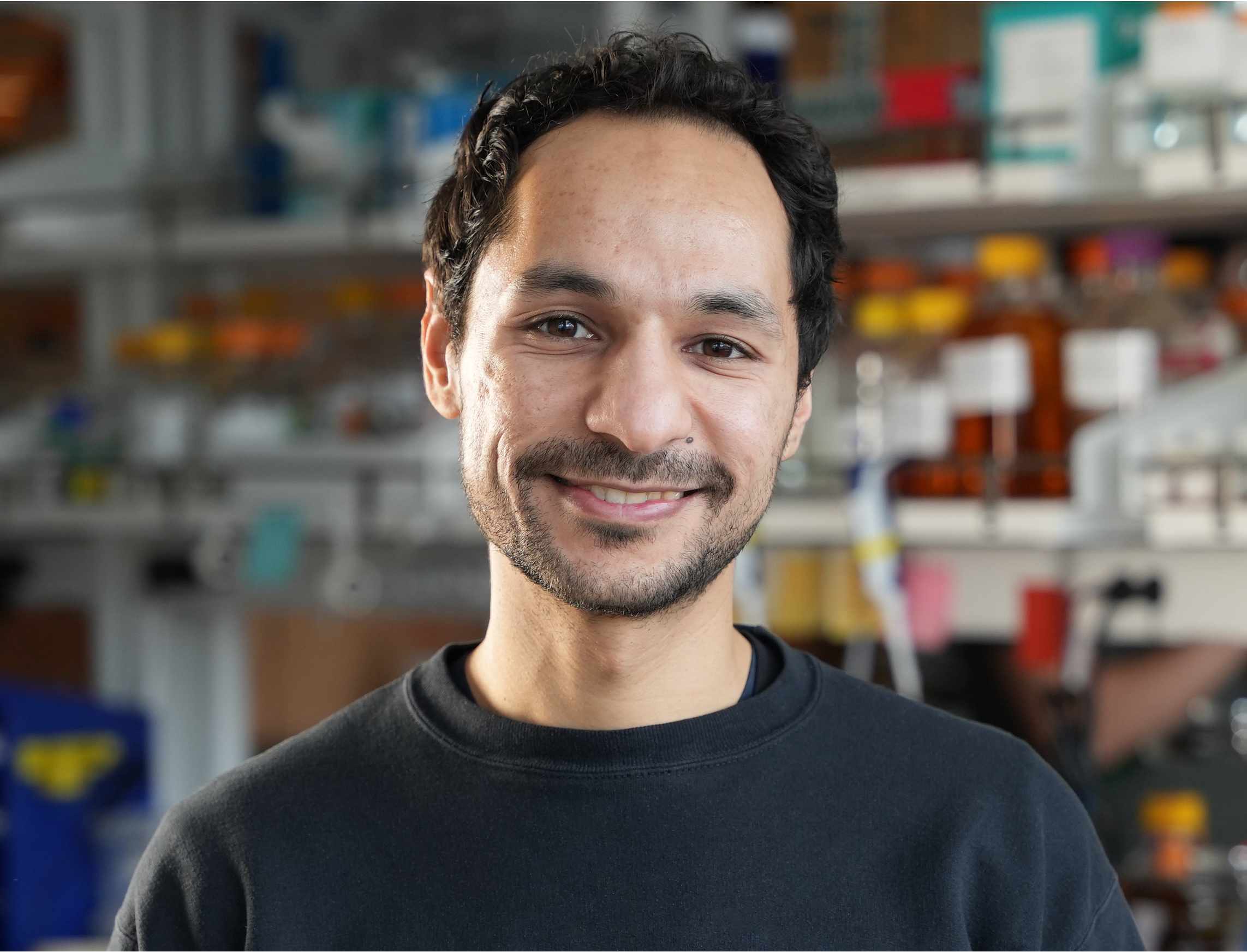
Mohamad Abedi is an Assistant Professor of Bioengineering at UCLA. He received his undergraduate training in Biomedical Engineering at UC Irvine. He then completed his graduate degree in Bioengineering at Caltech with Mikhail Shapiro, where he focused on synthetic biology and Immunoengineering. During his PhD, he developed technologies to image and control cell signaling using ultrasound. Following his PhD, Mohamad did his postdoctoral training in computational protein design at the Institute for Protein Design at the University of Washington in Seattle with David Baker. His work focused on engineering new biological communication systems beyond those found in nature. The goal was to better understand how cellular signaling works and to use that knowledge to build new cell- and protein-based therapies.
His research sits at the intersection of protein engineering and machine learning, driven by curiosity about how living systems process information and how we can reprogram that logic. Outside the lab, he enjoys bike rides, hiking, cooking (and eating), and exploring new cities and cultures.
My goal is to help each trainee reach their maximal potential (scientifically and personally) so they leave the lab prepared to define ambitious problems and pursue them with confidence. In our lab, I work closely with trainees to co-develop and shape their research projects. Trainees are encouraged to think boldly, take ownership of their ideas, and move fluidly across disciplines from computational design to experimental biology to quantitative modeling so they can engage with the complex biological systems we seek to understand and engineer.
We choose to work on some of the most exciting and challenging problems in bioengineering. Failure is therefore part of the journey and a driver of learning and discovery. For that reason, we value resilience, initiative, creativity, collaboration, and above all, kindness. My mentorship style is adaptive, combining periods of deep technical engagement with increasing independence. Beyond scientific excellence, I believe scientists carry responsibility to society. I aim to train thoughtful individuals committed to improving the world, beginning with the communities around them.
Awards:

B.S Biomedical Eng. University of Connecticut (minor: Comp. Science and Mathematics)
Research area: protein design and cell communication; outside the lab, Qianyu enjoys traveling and has visited every Disney park in the world

B.S Electrical Eng. Boston University (minor: in Mathematics)
Research area: immunology, immunoengineering and therapeutic delivery, outside the lab: Woud enjoys mentoring and reading

B.S Biomedical Eng. CSU, Long Beach (minor: in Comp. Science)
Research area: immunotherapeutics and cellular programming, outside the lab: Ena enjoys cafe hopping
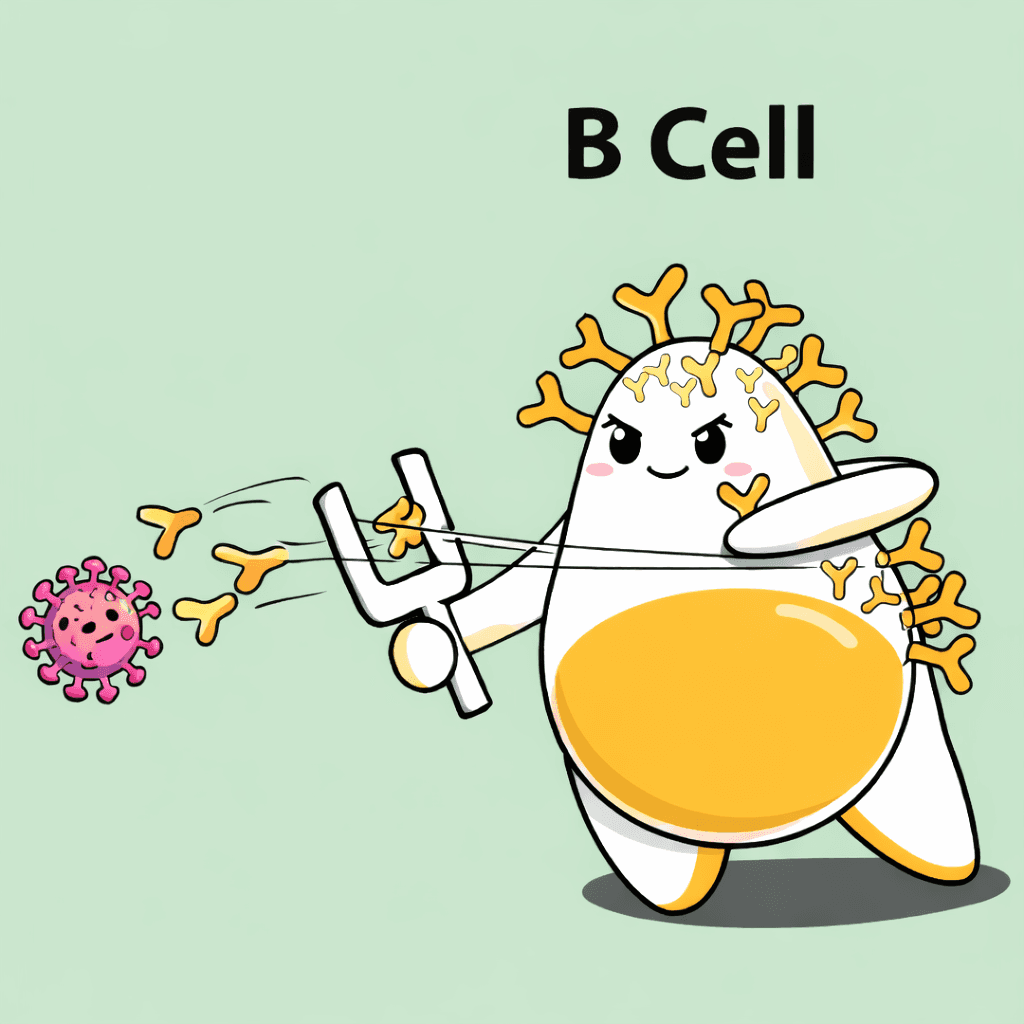
PhD from Lymph Node University
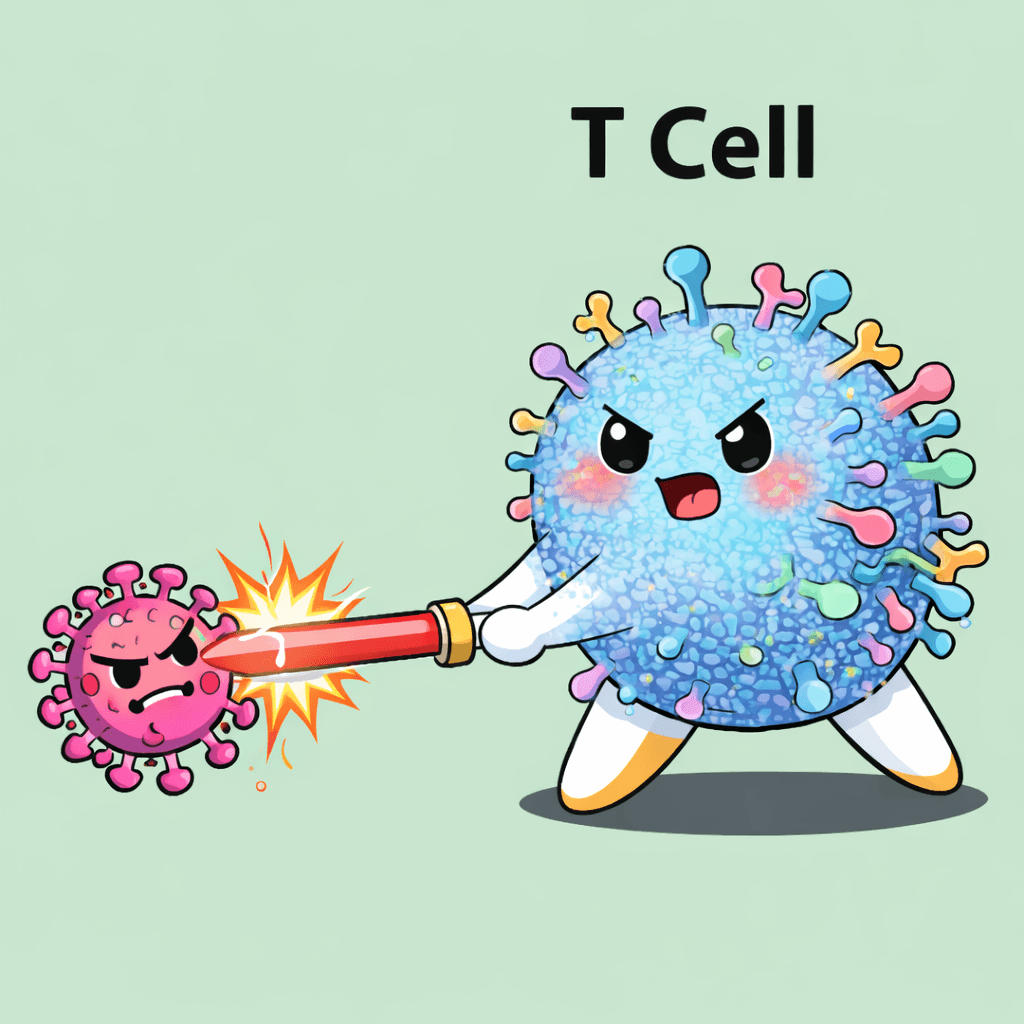
B.S from Bone Marrow
College
Research Specialist, world traveller